
Evidence before equipment.
A device is not a diagnosis. We assess before we specify, so the equipment matches the scheme rather than the catalogue.
Trustline Water (Jenga Maji) was formed by WASH professionals who have spent their working lives inside county water services, utility billing and community schemes. We are new as a company. We are not new to the work.
Between us, we have worked across 17 counties. On the STAWI programme we served as an implementing partner to Rural Water Management Solutions Kenya, supporting county governments and community schemes with baselines, capacity building, billing onboarding and smart metering. Across Western Kenya we were contracted as professional consultants to implement smart billing systems and meters, and to build governance capacity in scheme committees.
Those assignments belong to the institutions that commissioned them and the partners we worked with. What we brought was the professional delivery: the assessment, the training, the system, the handover. Trustline Water (Jenga Maji) is how we carry that practice forward under our own name.
We are deliberately small and deliberately honest about what we can evidence. If a project is not ours to claim, we will say whose it is.
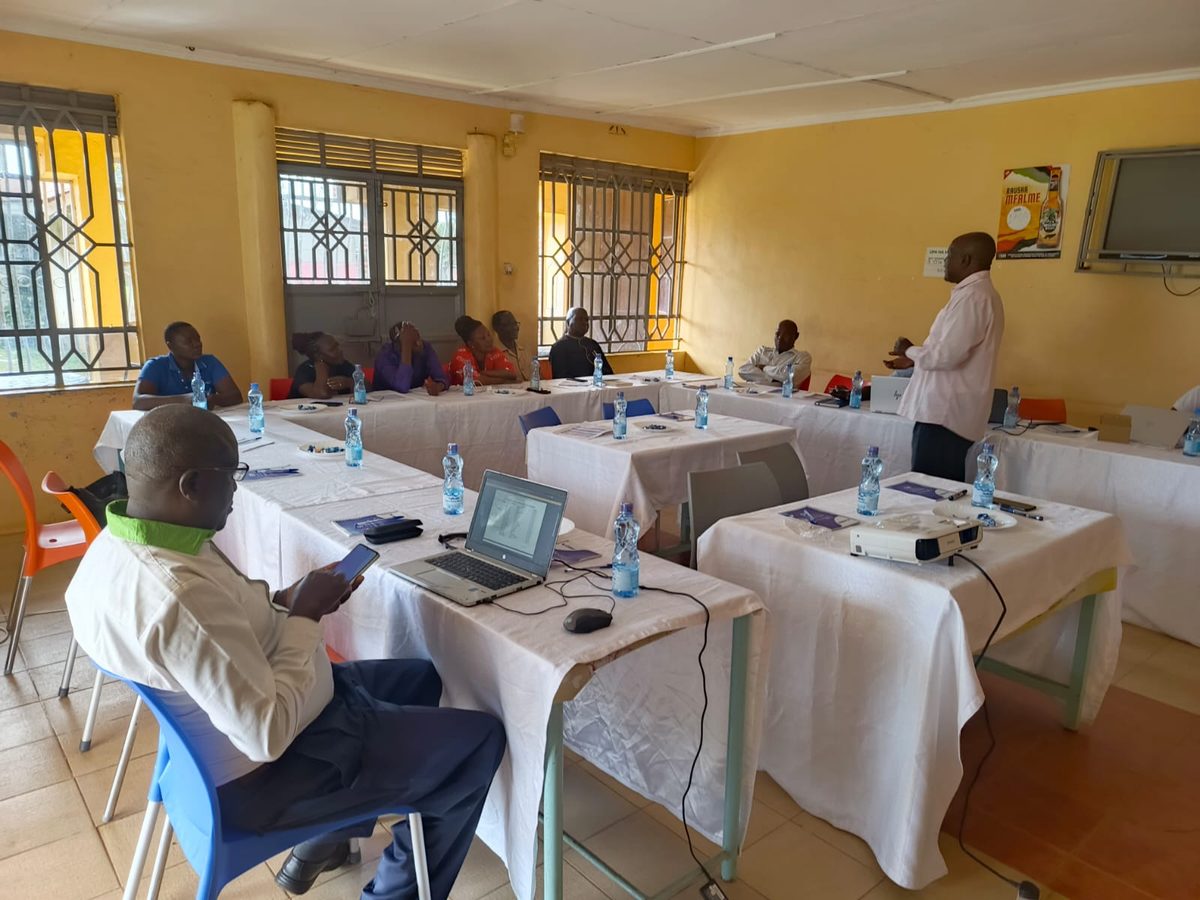
A device is not a diagnosis. We assess before we specify, so the equipment matches the scheme rather than the catalogue.
A billing system cannot fix a bank mandate nobody owns. We settle roles and decision rights before we switch on software.
The measure of the work is what the scheme can run without us: a board that can explain the numbers, and a team that can close the month.
Rural water is not a blank slate. The mandate, the money and the customer relationship are already assigned by law and by county practice. We work inside that frame; we do not replace it.
The sequence is deliberate. Skipping a step is how a scheme ends up with new equipment and the same old problem.
ICT, records, revenue and governance, scored and costed with the scheme and the county.
Specify, source or receive, tag, install and train the person who will be responsible for it.
Board roles, bank mandate, tariff application, customer charter and the CBO-to-WUA transition.
Meter reads, bills, M-Pesa and bank payments, reporting and customer communication.
The county holds the mandate. The scheme holds the relationship with the customer. We bring the assessment, the system and the training that help both do their job, then we step back.
We work with county water departments, utilities and WSPs, WUAs and CBOs, and the funders and NGOs that support them. We are comfortable as a sub-contracted specialist, an implementing partner or a direct adviser.
The earlier we see the scheme, the more useful the assessment is. Tell us what stage you are at and we will tell you what we would do next.