
Baseline ICT & governance
Devices, records, revenue and governance, scored before anything is bought.
We help counties, utilities, WUAs and community schemes get the basics right: a baseline you can trust, equipment that works, governance that holds, and billing that reconciles itself.
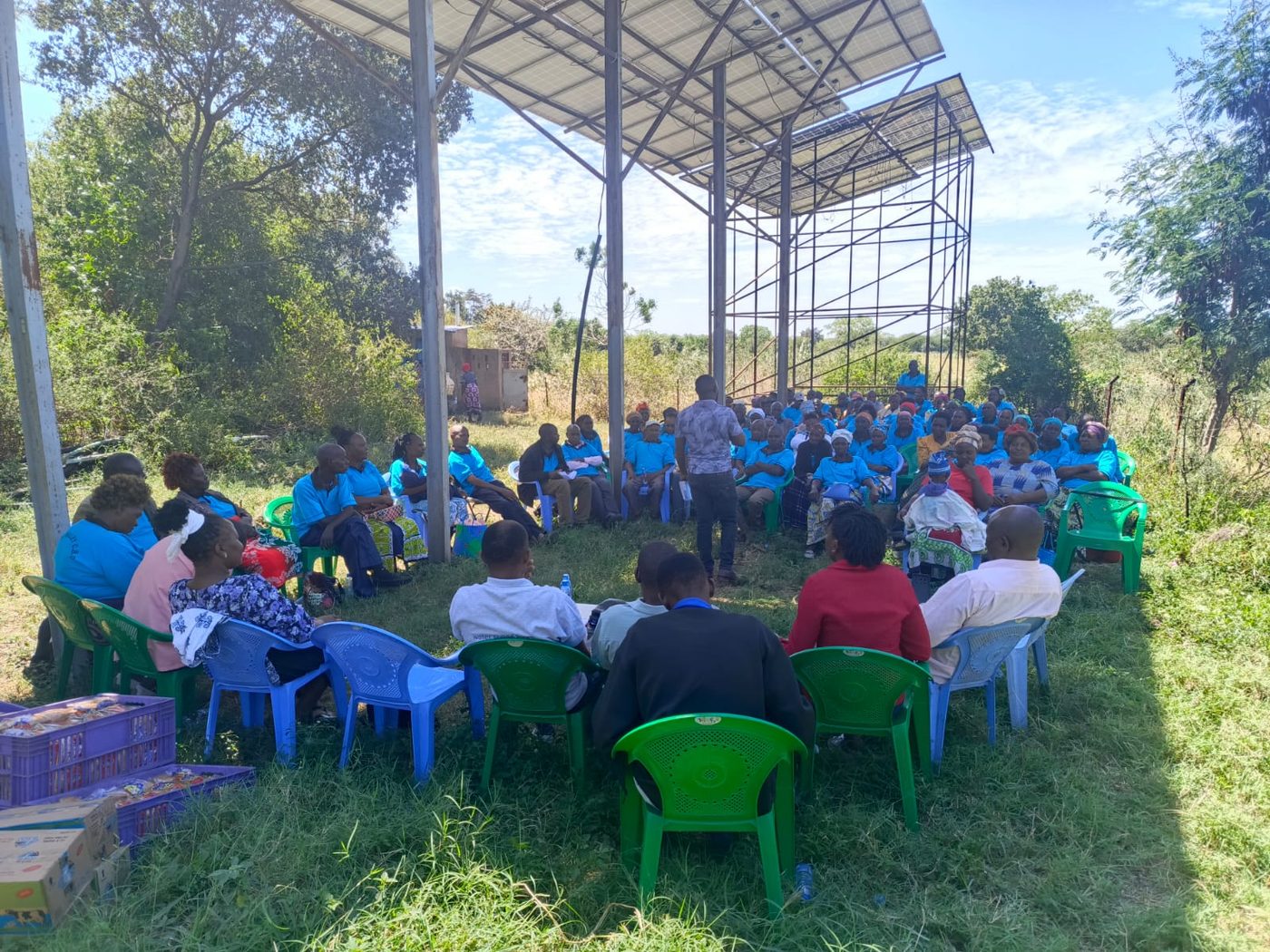
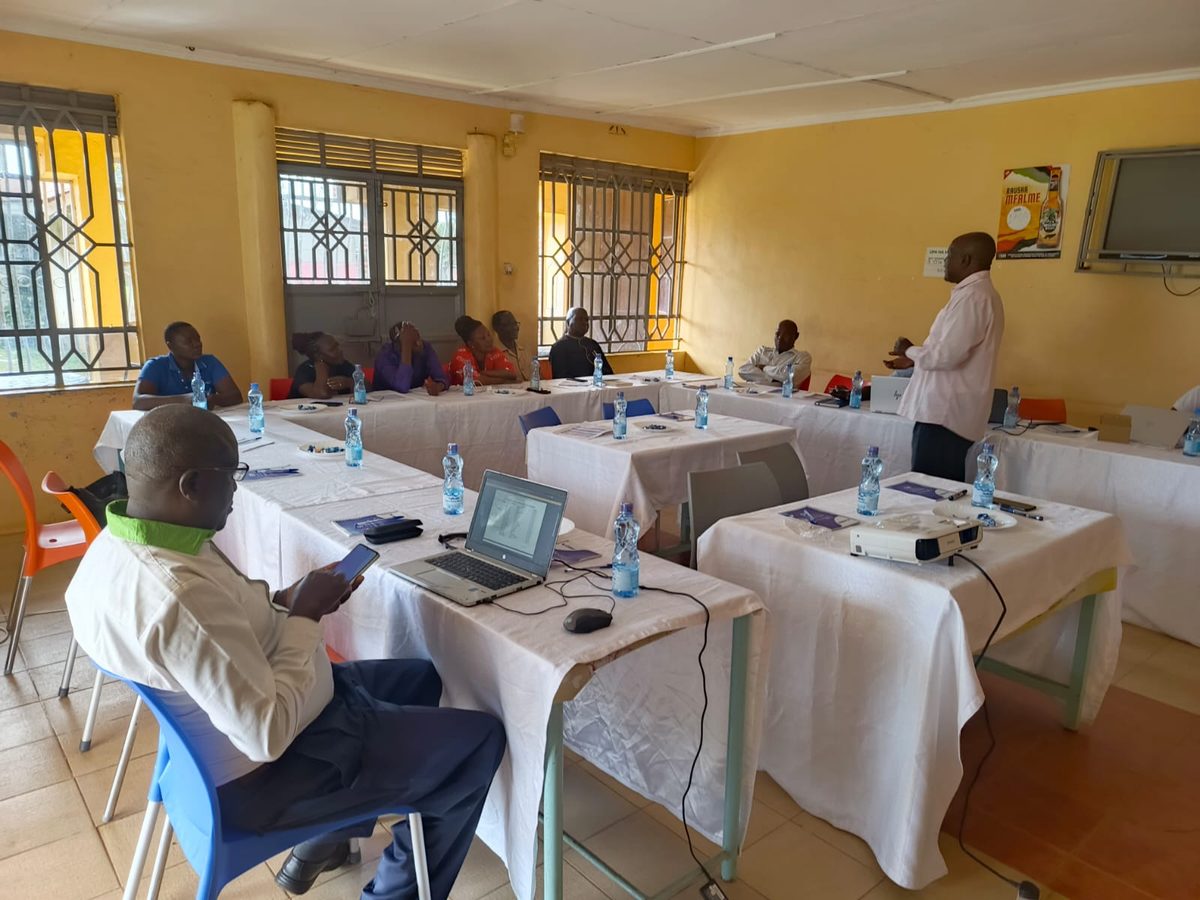
A new firm with a field record. Trustline Water (Jenga Maji) was formed by WASH professionals. Our team's delivery record was built as an implementing partner to Rural Water Management Solutions Kenya on the STAWI programme, and as contracted WASH professionals across Western Kenya. We state the role every time we show the work.
Read the recordThe 17 counties are 9 STAWI counties plus 8 Western Kenya counties. Programme roles and county lists are set out on the portfolio page.
We do not sell these as unrelated products. They are the sequence a scheme needs to become something it can run, account for and hand over.
Devices, records, revenue and governance, scored before anything is bought.
Specified, sourced or received, tagged, installed and given an owner.
Roles, mandate, tariff, customer charter and CBO-to-WUA transition.
Meter reads to bills, integrated payments, reconciliation and reporting.
SMS and WhatsApp notices, fault reporting and monthly service reports.
Most scheme failures are not hardware failures. They are decisions made without a baseline: equipment bought before the revenue chain is understood, software installed before anyone owns the process, training delivered before roles are clear.
We start with a structured assessment across five domains. It takes days, not months, and it produces a scored picture that a scheme, a county and a funder can all read.
Computers, printers, phones, meters, power and backups, and the people who know how to use them. We record condition and ownership, not just a count.
Illustrative domains. A real baseline is scored per scheme.
Rural water money passes through many hands before it becomes a working tap. Each hand-off is a place where intent can leak. We work on the joins.
A budget line or a grant can exist without a service target, a maintenance plan or a named owner. The scheme receives money and still cannot say what it is meant to deliver.
Meters, computers and software arrive before anyone has decided who reads the meter, who reconciles the payment and who owns the asset. The kit is new; the process is still paper.
A committee with an expired term, a bank mandate that no longer matches the office-holders, or a CBO preparing for WUA status without the records to prove its decisions.
Unread meters, unbilled connections, leaks that are nobody's job, and a customer register that exists in three different books.
M-Pesa confirmations sit on a phone, bank deposits sit in a statement, and the billing system still shows the customer as unpaid. Reconciliation becomes a monthly rescue.
Collections improve, but there is no maintenance fund, no spares plan and no reporting rhythm. The scheme looks healthy until the pump fails.
This is an operating model, not a financial product. Trustline Water (Jenga Maji) does not collect, hold or disburse water revenue.
Every scheme starts somewhere different. The path is the same: prove the baseline, close the hardware gap, fix accountability, automate the money, then keep the customer informed.
We assess ICT, records, revenue and governance on site, then agree the priority order with the scheme and the county. The output is not a wish list; it is a sequence with a cost and an owner.
We specify, source or receive donated equipment, tag it, install it and train the people who will use it. A donation without an asset register and a custodian is just a future breakdown.
Roles, bank mandate, tariff application, customer charter and a meeting rhythm. For a CBO preparing for WUA status, this is the core of the transition: the records must show who decided what.
Meter reads become bills; M-Pesa and bank payments reconcile; arrears and exceptions surface daily. The test is a month-end that closes without a spreadsheet rescue.
SMS and WhatsApp notices, a fault-reporting line, monthly service reports and a handover plan for the team that stays. The measure of the work is what the scheme can run without us.
A working simulation of the revenue chain we set up: readings, bills, M-Pesa payments and reconciliation. Change a reading, raise a bill, take a payment. No real meters, customers or money.
| Meter | Customer | Reading | Bill | Status | Action |
|---|
We publish the work we can attribute and the role we held. Other assignments are shared on request, with partner consent.
Delivered through an implementing partnership with Rural Water Management Solutions Kenya: baselines, capacity building for 45 schemes, digital billing onboarding, smart metering and level sensors.
Smart billing systems and meters for water schemes, with governance capacity building for the committees that run them: Kisumu, Kakamega, Busia, Bungoma, Kisii, Homa Bay, Siaya and Migori.
How to read this record. STAWI was delivered through an implementing partnership; the Western Kenya assignments were professional contracts. Nothing here implies endorsement by a county, donor or partner.
Tell us about the scheme, the county or the gap. We will tell you what a baseline would take, and whether we are the right team to do it.